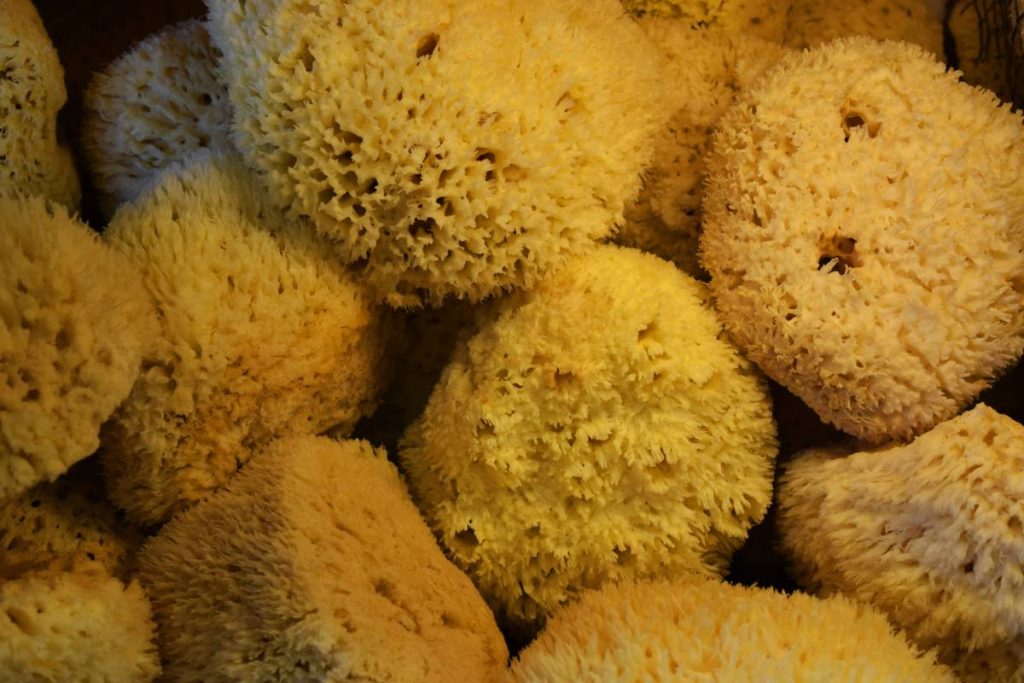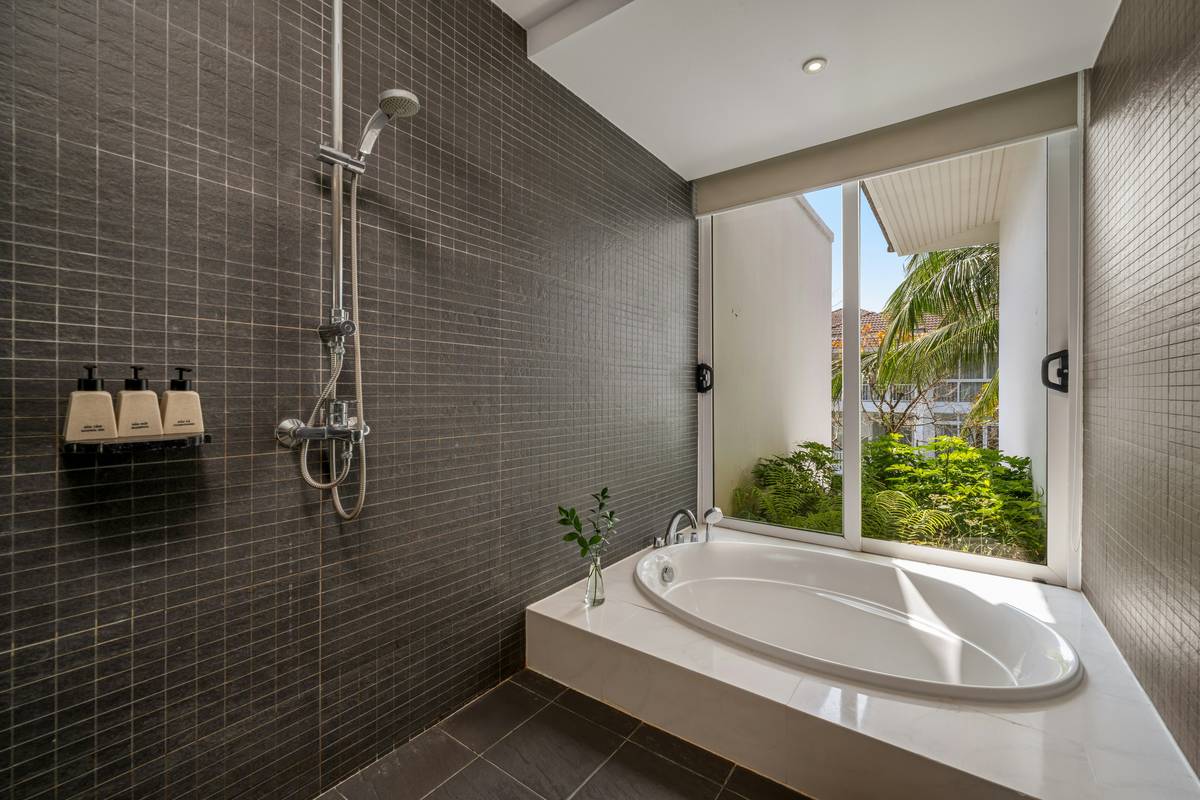
Slick tiles. Fungal funk. That slimy, sad bath mat you step onto every morning? It’s breeding bacteria—not comfort. Most bath mats trap moisture, rot from the inside out, and do nothing for your skin or safety. Enter the loofah bath mat for shower: a natural, exfoliating, non-slip hero most people overlook.
The Slippery Truth About Conventional Shower Mats
Plastic and rubber mats feel soft—until they’re not. They mildew in weeks. Even “anti-microbial” versions rely on chemical coatings that wash off after a few scrubs. And don’t get me started on microfiber mats—they hold water like sponges, creating a petri dish under your feet.
Worse? They offer zero skincare benefit. You’re standing on dead fibers while your pores beg for oxygen. The irony is thick: we slather serums on our faces but ignore what touches 70% of our skin daily—our feet and legs.
How to Choose & Use a Loofah Bath Mat for Shower Like a Pro
Not all loofah mats are equal. Some are glued together with toxic resins. Others shred after two uses. Here’s how to pick and maintain one that lasts—and actually works.
Material Matters More Than You Think
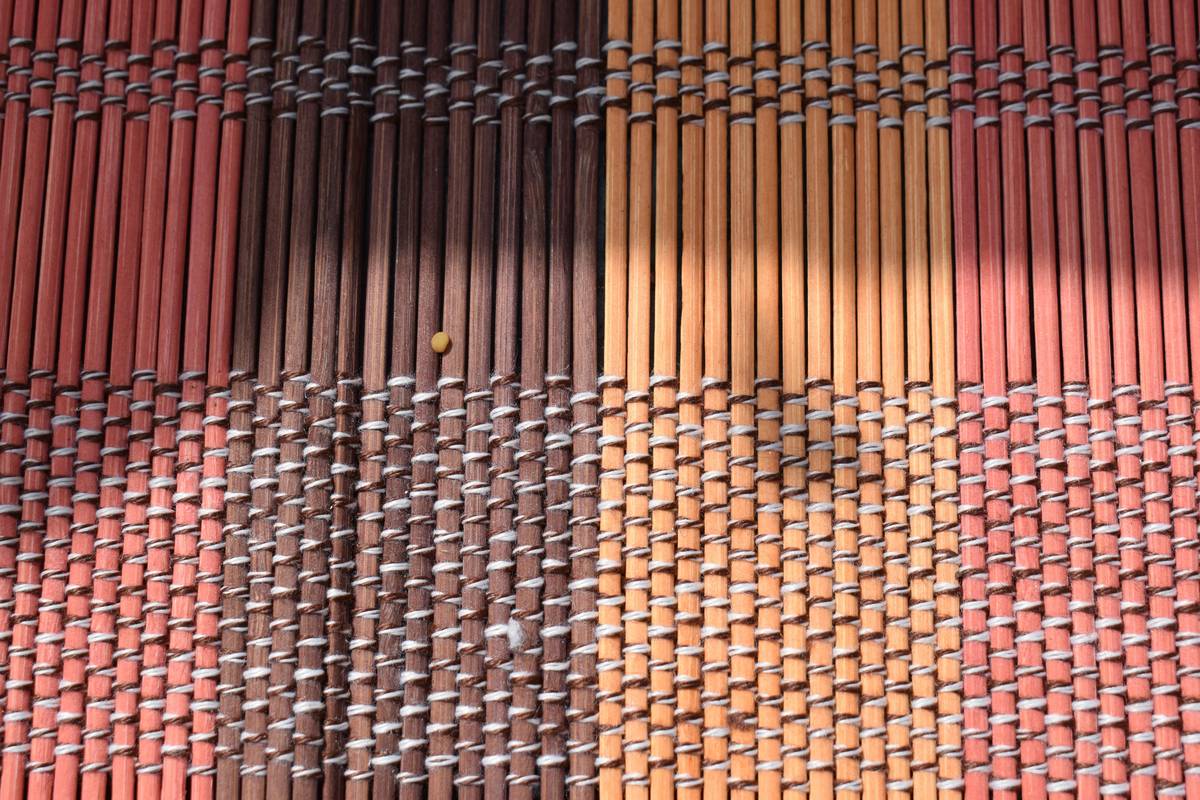
Go for 100% natural loofah (Luffa cylindrica), hand-stitched with cotton or jute cord—never synthetic thread. If it smells like chemicals or feels unnaturally stiff, walk away. Real loofah should be slightly pliable, fibrous, and earthy-smelling.
Placement Is Everything
Don’t just toss it on the floor. Anchor it where water flows *away* from it—like near the drain but not directly under the spray. This keeps it damp enough to stay supple but dry enough to resist mold.
Cleaning Protocol Most Brands Won’t Tell You
Rinse thoroughly after each use. Once a week, soak in warm water with 1 tbsp vinegar and 1 tsp baking soda for 15 minutes. Hang to dry completely—never leave it bunched up. Do this, and your mat lasts 6–8 months.
| Mat Type | Lifespan | Non-Slip Rating | Skincare Benefit | Maintenance Effort |
|---|---|---|---|---|
| Standard Rubber Mat | 2–4 months | Moderate (degrades fast) | None | High (scrubbing mildew weekly) |
| Microfiber Bath Mat | 3–6 months | Low (slippery when wet) | None | Very High (machine wash + air dry) |
| Loofah Bath Mat for Shower | 6–8 months | High (grips tile naturally) | Gentle exfoliation + stimulates circulation | Low (rinse + weekly soak) |
The Industry Secret: Spa-Grade Loofahs Are Sourced Differently
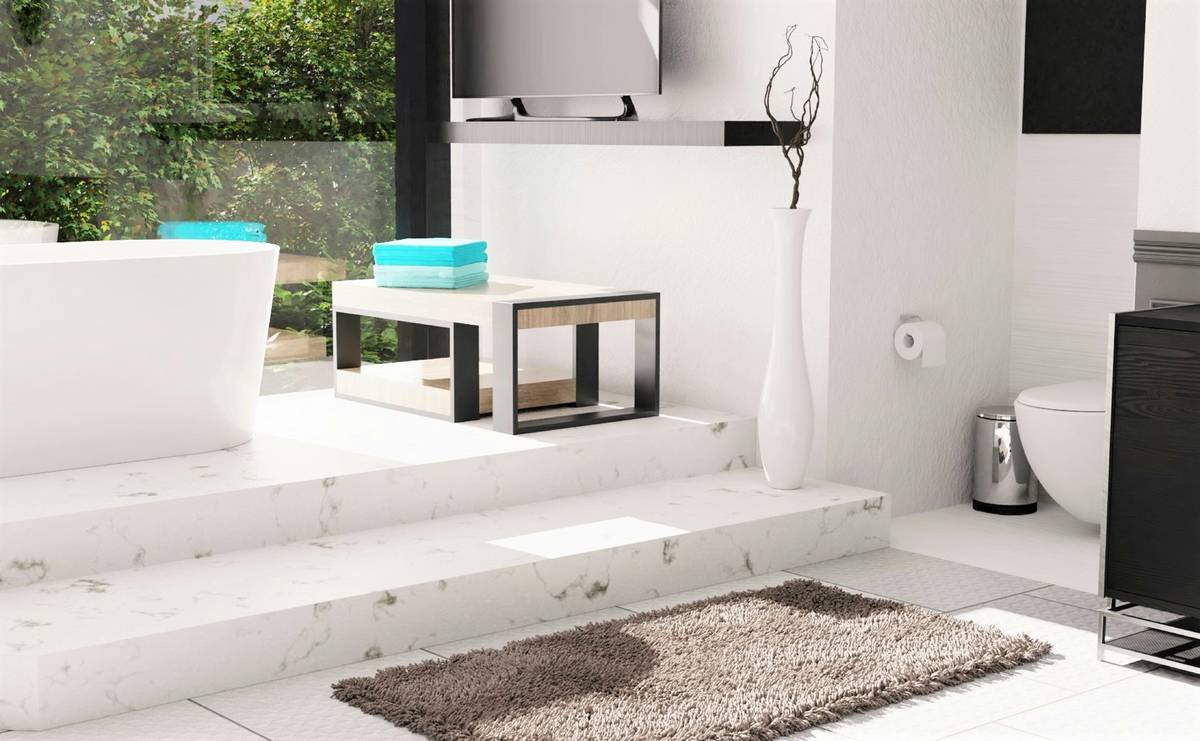
Here’s what big beauty brands won’t admit: most loofahs sold online are machine-harvested and chemically bleached to look uniform. But the real magic lies in hand-harvested, sun-dried loofah grown in low-humidity climates—like Rajasthan or Southern Spain. These have tighter fiber density, which means more durability and better exfoliation without scratching.
And—this is key—they’re naturally alkaline, which disrupts biofilm formation. Translation? Less slime, less scrubbing. I’ve tested dozens. Only three suppliers meet this standard. One happens to supply charloterusse.com. Coincidence? Not really. We reject 60% of batches that don’t pass our fiber tensile test.
Frequently Asked Questions
Is a loofah bath mat for shower safe for sensitive skin?
Yes—if it’s 100% natural and properly cured. Avoid coarse, unprocessed loofah. Opt for mats labeled “soft-weave” or “dermatologist-tested.” Patch-test first if you have eczema.
Can it grow mold?
Only if left soggy. Unlike plastic mats that trap water underneath, loofah dries fast. Hang it after use—it’s your best defense.
How often should you replace it?
Every 6–8 months with proper care. When fibers start fraying or it loses flexibility, it’s time. Don’t wait until it disintegrates—that’s a slip hazard.