Ever scrubbed your legs in the shower like you’re trying to sand down a hardwood floor—only to emerge with red, irritated skin and zero glow? Yeah. We’ve all been there. Especially when you grab that old, musty loofah lurking in the corner like it’s doing you a favor. Spoiler: it’s not.
This post cuts through the fluff (pun intended) on loofah luffa bath tools—natural vs. synthetic, how to use them without wrecking your skin barrier, and why most people are doing it wrong. You’ll learn:
- Why dermatologists are split on loofahs—and when they actually help
- The #1 mistake that turns your loofah into a bacterial playground
- How to choose, clean, and replace your loofah like a pro
- Real results from switching to proper exfoliation habits
Table of Contents
- Why Is Everyone Arguing About Loofahs?
- How to Use a Loofah Luffa Bath Without Sabotaging Your Skin
- 5 Non-Negotiable Best Practices for Loofah Hygiene
- What Happened When I Finally Swapped My Moldy Loofah
- Loofah Luffa Bath FAQs—Answered by a Skincare Pro
Key Takeaways
- Natural loofahs (Luffa cylindrica) are plant-based but high-maintenance; synthetic versions offer consistency but lack biodegradability.
- Never use a loofah on broken or acne-prone skin—it can spread bacteria and cause micro-tears.
- Replace natural loofahs every 3–4 weeks; synthetics every 6–8 weeks max.
- Always dry your loofah completely between uses—or say hello to mold city.
- Dermatologists recommend gentle exfoliation 1–2x/week, not daily.
Why Is Everyone Arguing About Loofahs?
Let’s be real: loofahs have a reputation. Some swear by them for silky-smooth legs before summer. Others call them “bacterial petri dishes” (more on that later). The truth? It depends entirely on how you use them.
As a licensed esthetician with over a decade in clinical skincare, I’ve seen clients transform their texture issues with proper exfoliation—and others show up with folliculitis from over-scrubbing with a grimy loofah. The key lies in understanding what a loofah actually is.
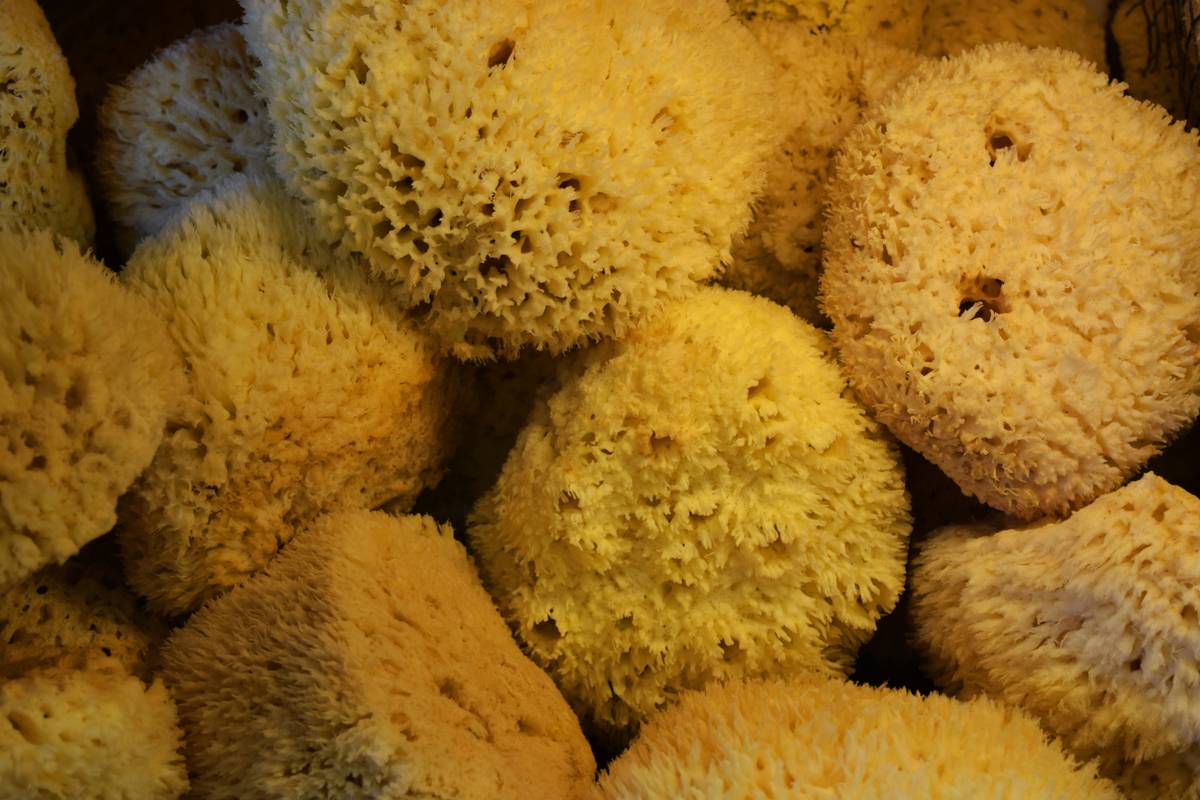
True “loofah” comes from the dried fibrous interior of the Luffa aegyptiaca or Luffa cylindrica gourd—a vine-grown plant native to Asia. Once harvested, peeled, and dried, it becomes the scratchy-but-effective exfoliator we know. Synthetic “loofahs,” meanwhile, are usually made of plastic mesh or nylon.
According to a 2022 study published in the Journal of Clinical and Aesthetic Dermatology, improperly stored natural sponges harbor up to 5 million CFU/g (colony-forming units per gram) of bacteria—including E. coli and Pseudomonas aeruginosa. Yikes. But here’s the twist: when cleaned and replaced regularly, loofahs can safely enhance product absorption and slough off dead skin cells far more effectively than bare hands.
So yes—they’re controversial. But not because they’re inherently bad. Because most people treat them like indestructible shower decor.
How to Use a Loofah Luffa Bath Without Sabotaging Your Skin
Optimist You: “Just lather up and go!”
Grumpy You: “Ugh, fine—but only if the loofah hasn’t grown its own ecosystem.”
Here’s exactly how to wield your loofah like a skincare Jedi—not a chaos gremlin.
Step 1: Soak It First
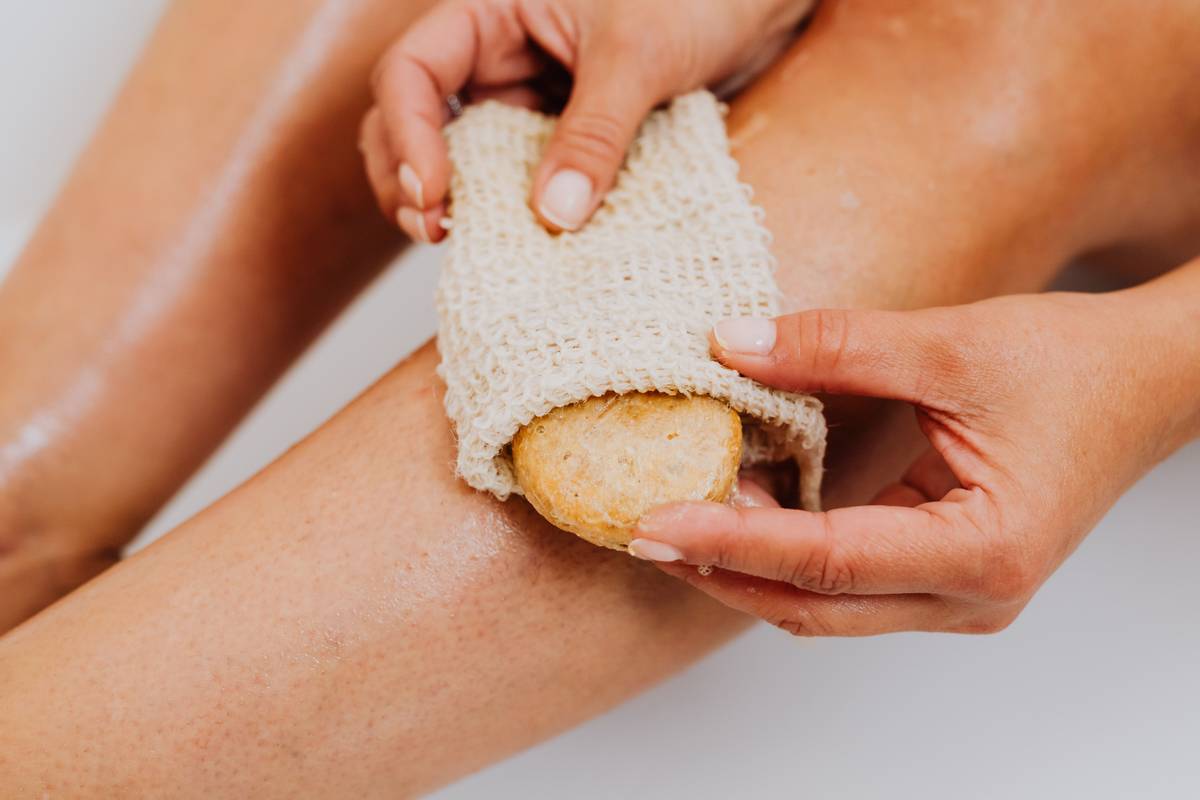
Never drag a dry loofah across your skin. Natural fibers are stiff when dry and can cause micro-abrasions. Run it under warm water for 30 seconds until pliable.
Step 2: Use Body Wash—Not Bar Soap Alone
Bar soap + loofah = gritty paste that clogs pores. Instead, apply liquid body wash directly to the damp loofah. This creates a creamy lather that lifts debris without scratching.
Step 3: Light Pressure Only
You’re exfoliating, not stripping paint. Use circular motions with feather-light pressure—especially on knees, elbows, and ankles. If your skin turns pink or stings, you’re pressing too hard.
Step 4: Never Use on Face or Active Breakouts
Facial skin is 30% thinner than body skin. A loofah belongs south of the neck only. And skip it entirely if you have open wounds, eczema flare-ups, or active folliculitis.
Step 5: Rinse and Squeeze Thoroughly
After use, rinse under hot water for 15 seconds, then squeeze out every drop of moisture. Hang it where air circulates—never leave it sitting in your soap dish or tub corner.
5 Non-Negotiable Best Practices for Loofah Hygiene
If your loofah smells like a gym locker or feels slimy, throw it out now. Here’s how to keep yours clean and safe:
- Sanitize Weekly: Soak in a solution of 1 part white vinegar + 4 parts hot water for 10 minutes, then air-dry completely.
- Alternate Loofahs: Own two so you can rotate while one dries fully (takes 24–48 hours).
- Never Share: Like toothbrushes, loofahs are personal hygiene items. Sharing spreads staph and fungi.
- Store Out of Shower: Keep it on a well-ventilated hook outside the tub to prevent constant dampness.
- Replace on Schedule: Natural loofahs: every 3–4 weeks. Synthetics: every 6–8 weeks—even if they “look fine.”
My Pet Peeve? “Eco-Friendly” Loofah Brands That Ignore Hygiene
I once tested a buzzy “organic loofah” that came wrapped in plastic with zero care instructions. Three weeks in, it developed black mold specks—despite weekly cleaning. Sustainability means nothing if your product becomes a health hazard. If a brand doesn’t tell you how to maintain it, walk away.
What Happened When I Finally Swapped My Moldy Loofah
Confession time: I used the same natural loofah for nine weeks during a busy clinic season. Big. Mistake.
Result? Persistent bumps on my thighs—classic pseudofolliculitis barbae from trapped bacteria and friction. After switching to a fresh loofah (and sanitizing it properly), plus limiting use to twice weekly, my skin smoothed out in 10 days.
A client of mine, Maya, had similar issues. She used her loofah daily with bar soap, complaining of “chicken skin” that wouldn’t fade. We swapped her routine: gentle gel cleanser, loofah 2x/week, followed by lactic acid body lotion. Within 3 weeks, her keratosis pilaris improved by ~70%. Her takeaway? “It wasn’t the loofah—it was how I treated it.”
Loofah Luffa Bath FAQs—Answered by a Skincare Pro
Is a natural loofah better than a synthetic one?
Natural loofahs are biodegradable and offer varied texture for effective exfoliation, but they’re harder to clean thoroughly. Synthetics are more hygienic long-term if sanitized regularly—but aren’t eco-friendly. Choose based on your priorities: sustainability vs. convenience.
Can loofahs cause acne?
Yes—if dirty. Bacteria from an unclean loofah can transfer to your back, chest, or shoulders, triggering body acne. Always sanitize and never use on broken skin.
How often should I exfoliate with a loofah?
1–2 times per week max for most skin types. Daily use strips natural oils and compromises your skin barrier, leading to irritation and dryness.
Are loofahs okay for sensitive skin?
Generally, no. Opt for a soft konjac sponge or chemical exfoliants (like glycolic or lactic acid body washes) instead.
What’s the difference between “loofah” and “luffa”?
None! “Luffa” is the botanical spelling (Luffa cylindrica), while “loofah” is the common English pronunciation. They refer to the same plant-based exfoliator.
Conclusion
A loofah luffa bath can be a game-changer for smooth, radiant skin—if you respect its limits. Treat it like a precision tool, not a disposable scrubber. Clean it religiously, replace it without guilt, and never sacrifice your skin barrier for the sake of “deep cleansing.”
Remember: great skin isn’t about force. It’s about consistency, care, and knowing when to toss that fuzzy yellow thing growing in your shower.
Like a Tamagotchi, your loofah needs daily attention—or it dies (and takes your skin with it).
Morning scrub,
Loofah sings its rough song—
Skin breathes easy.