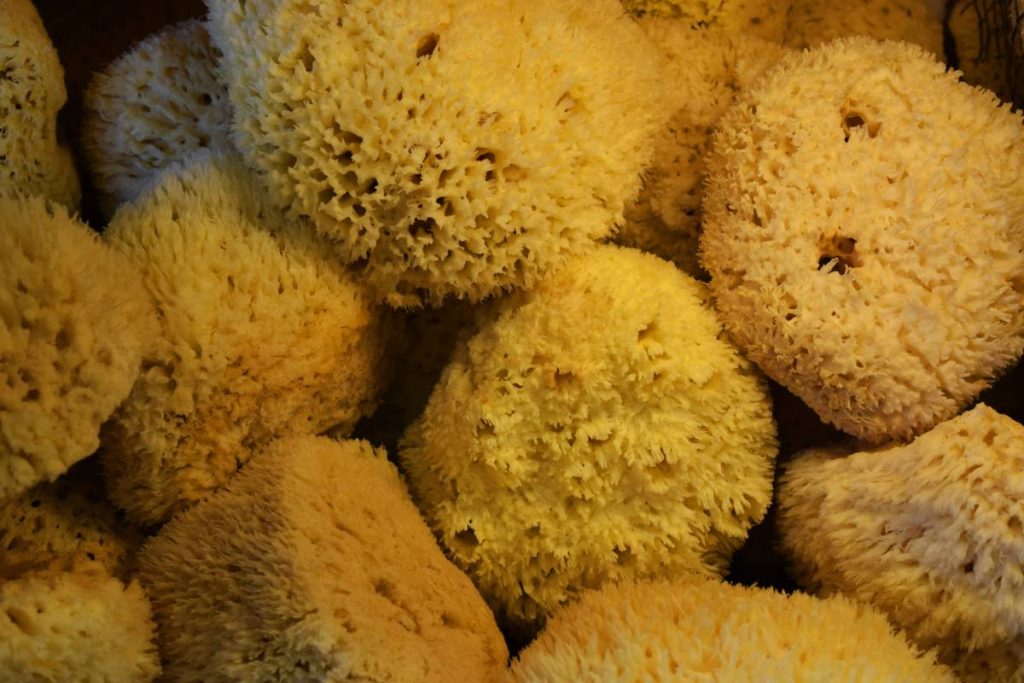
You lather up every day. You scrub hard—especially on elbows, knees, and heels. Your loofah bath scrubber feels like it’s working. But here’s the problem: rough exfoliation with a damp, porous sponge breeds bacteria faster than your morning coffee brews. And that “fresh” feeling? It might be micro-tears in your skin barrier. The solution isn’t skipping exfoliation—it’s switching tools.
The Core Problem: Why Standard Loofah Bath Scrubbers Fail
Most people treat their loofah like a dish sponge—rinse, hang, repeat. Big mistake. Natural loofah fibers are highly absorbent. They trap dead skin, soap residue, and moisture. Within 48 hours, that innocent-looking puff becomes a petri dish for staph and fungal colonies.
Dermatologists see this weekly: folliculitis, contact dermatitis, even stubborn body acne—all traced back to an old loofah. And synthetic mesh versions? Slightly better at drying, but still harbor grime in those tiny plastic loops. Plus, aggressive scrubbing strips natural oils. Your skin overcompensates by producing more sebum. Suddenly, you’re oilier and itchier than before.
How to Exfoliate Safely & Effectively: A Step-by-Step Guide
Exfoliation shouldn’t hurt. It shouldn’t leave you red or raw. Done right, it smooths texture, boosts circulation, and preps skin for better absorption of moisturizers. Here’s how:
Choose the Right Tool for Your Skin Type
If you’re sensitive or prone to eczema, skip abrasive scrubs altogether. Opt for a soft konjac sponge or dry brushing before showering. Oily, thick-skinned areas (heels, elbows)? A silicone scrubber with gentle nubs works better than a frayed loofah.

Cleanse Before You Scrub
Never scrub on dry or dirty skin. Apply a sulfate-free body wash first. Let warm water soften the stratum corneum. Then, use light pressure in circular motions. Thirty seconds per zone is plenty.
Sanitize or Replace Weekly
Boiling your loofah for 5 minutes kills surface bacteria—but won’t fix internal rot. If it smells sour or feels slimy, toss it. Better yet, switch to non-porous alternatives that air-dry completely overnight.
| Tool Type | Replacement Frequency | Bacteria Risk | Skin Compatibility |
|---|---|---|---|
| Traditional Loofah (Natural) | Every 2–3 weeks | Very High | Rough; not for sensitive skin |
| Synthetic Mesh Pouf | Every 3–4 weeks | High | Moderate; can snag |
| Silicone Body Scrubber | Every 6+ months | Low | Gentle; ideal for all types |
| Konjac Sponge | Every 4–6 weeks | Medium | Vegan-friendly; ultra-soft |

The Industry Secret: Spa Pros Don’t Use Loofahs Anymore
Behind the steam room doors? Most luxury spas banned natural loofahs over a decade ago. Why? Liability. One client came down with impetigo after a full-body scrub—and the salon’s insurance premiums spiked. Now, high-end therapists use single-use bamboo fiber mitts or FDA-grade silicone brushes. They’re sterile, consistent, and don’t shed microfibers into drains. At home, you don’t need disposables—but you do need something non-absorbent. And—this is key—always store your tool outside the shower stall. Humidity is the enemy.
Frequently Asked Questions
Are loofah bath scrubbers bad for your skin?
They can be if used daily or kept damp. Natural loofahs retain moisture and bacteria, which may lead to irritation or infection—especially on compromised skin.
How often should I replace my loofah bath scrubber?
Replace every 2–3 weeks minimum. If it smells off, changes texture, or you’ve been sick, toss it immediately—even if it’s new.
Can I sanitize a loofah in the microwave?
Only if it’s completely wet—and even then, it’s risky. Microwaving dry loofahs causes fire. Boiling is safer, but doesn’t penetrate deep biofilm. Replacement beats disinfection.