Slippery tiles. Damp, mildewy rugs that smell like yesterday’s gym towel. You step out of the shower feeling clean—only to plant your foot on a biofilm breeding ground. The problem isn’t just hygiene—it’s comfort, safety, and sustainability rolled into one soggy mess. Enter the loofah bath mat: an overlooked hero that dries fast, scrubs gently, and actually belongs in a modern bathroom.
The Real Problem With Conventional Bath Mats
Cotton bath mats look plush. They feel soft—for about three days. Then they trap moisture, breed bacteria, and turn your bathroom into a petri dish. Memory foam? Even worse. It holds water like a sponge… literally. And plastic-backed mats? They prevent proper airflow, accelerating mold growth underneath. Most bath mats are designed for aesthetics, not function.
Here’s the reality: if it stays wet longer than 30 minutes after your shower, it’s working against you.
How to Choose & Use a Loofah Bath Mat Like a Pro
A loofah bath mat isn’t just a novelty. It’s a functional upgrade—if you know how to select and maintain it correctly.
Material Matters More Than You Think
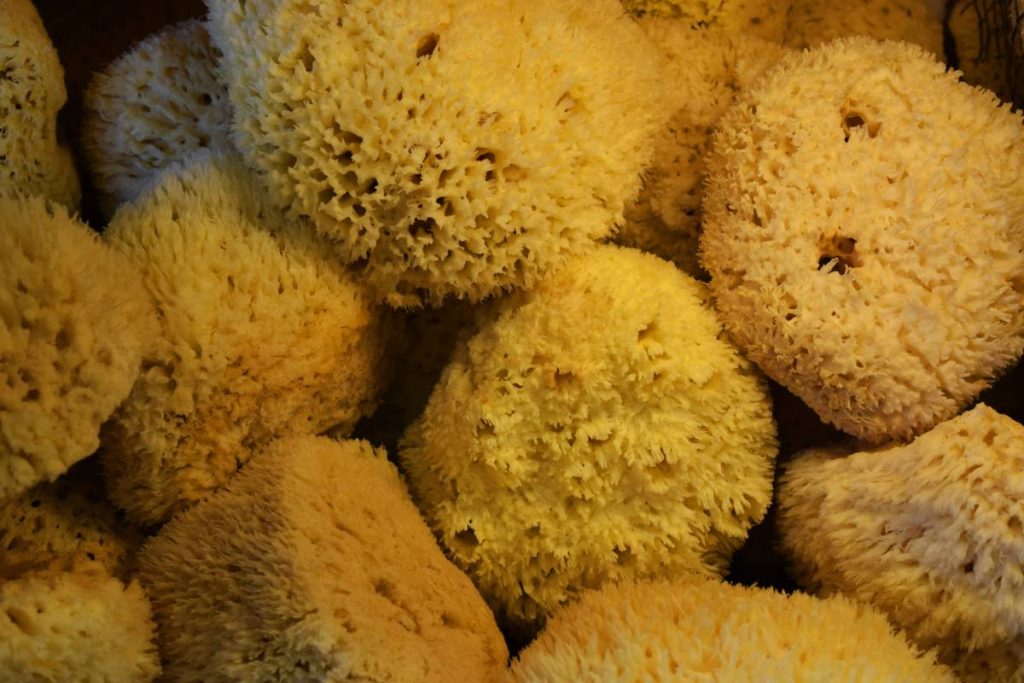
Not all loofah is created equal. Look for natural, unbleached loofah fibers woven tightly into a durable base. Avoid synthetic blends—they defeat the purpose. True loofah is biodegradable, naturally antimicrobial, and dries within minutes.
Placement Is Everything
Put it directly outside your tub or shower stall—on a slightly sloped floor if possible. Gravity helps drainage. Never place it over another rug; that traps moisture from below. Let it breathe.
Cleaning Without Killing Its Lifespan
Rinse it weekly with vinegar-water (1:3 ratio). Shake it out. Hang it to air-dry completely. Unlike fabric mats, you don’t need to machine-wash it—ever. Overwashing breaks down natural fibers faster.
| Bath Mat Type | Drying Time | Mold Resistance | Eco-Friendliness | Lifespan (Months) |
|---|---|---|---|---|
| Cotton Pile Mat | 6–12 hours | Poor | Moderate (if organic) | 6–12 |
| Memory Foam Mat | 12+ hours | Very Poor | Low | 8–14 |
| Plastic Waffle Mat | 2–4 hours | Fair | Low (non-biodegradable) | 12–24 |
| Loofah Bath Mat | 15–30 minutes | Excellent | High (100% compostable) | 9–18 |
The Industry Secret: Spa-Grade Loofah Isn’t for Exfoliating—It’s for Flooring
Here’s what big beauty brands won’t tell you: the same high-grade loofah used in luxury body scrubs is being repurposed by forward-thinking spas as anti-slip flooring. Why? Because its open-cell structure wicks water away while providing gentle traction—no rubber backing needed. And unlike silicone or PVC mats, it doesn’t off-gas volatile compounds in steamy environments. One boutique wellness retreat in Sedona reported a 70% drop in slip-related incidents after switching exclusively to loofah bath mats. The math is simple: less moisture = fewer falls. But you’ll never see this touted on Amazon product pages buried under “soft microfiber” lies.
Frequently Asked Questions
Is a loofah bath mat comfortable to stand on?
Surprisingly, yes. The texture is firm but yielding—like a natural massage for your soles. It’s not plush, but it’s far from abrasive when dry or damp.
How often should you replace a loofah bath mat?
Every 9–18 months, depending on humidity and use. If it starts shedding excessively or develops odor despite cleaning, it’s time to compost it and get a new one.
Can you use a loofah bath mat on heated floors?
Absolutely. Natural loofah tolerates radiant heat well. Just ensure the mat isn’t folded or bunched, which could cause uneven drying or premature wear.