Ever scrubbed your legs raw with a scratchy loofah, only to find dry patches flaking off like old paint the next day? Yeah—been there, tossed that sponge into the trash bin mid-shower. You’re not alone. Millions of people reach for a loofah and bath sponge daily hoping for baby-soft skin… but end up with irritation, bacterial buildup, or worse—zero exfoliation payoff.
In this no-BS guide, we’ll unpack the real differences between natural loofahs and synthetic bath sponges, reveal dermatologist-backed usage tips (spoiler: most people are doing it wrong), and help you pick the *right* tool for your skin type. You’ll also learn how often to replace them (hint: way more often than you think) and discover eco-friendly options that don’t sacrifice performance.
By the end, you’ll know exactly which loofah or sponge deserves prime real estate in your shower—and which ones belong in the compost bin.
Table of Contents
- Why Your Loofah Might Be Hurting More Than Helping
- How to Choose the Right Bath Exfoliator for Your Skin
- 5 Non-Negotiable Tips for Safe & Effective Use
- Real Results: Case Studies from Dry vs. Oily Skin Types
- Loofah and Bath Sponge FAQs
Key Takeaways
- Natural loofahs are highly exfoliating but harbor bacteria faster than synthetic sponges if not dried properly.
- Synthetic bath sponges (like konjac or cellulose) are gentler and better for sensitive or acne-prone skin.
- Replace your bath sponge every 3–4 weeks—yes, even if it “looks fine.”
- Never share your loofah. Seriously. Bacterial cross-contamination is real and nasty.
- Always rinse and air-dry your exfoliator outside the shower stall to prevent mold growth.
Why Your Loofah Might Be Hurting More Than Helping
Here’s the dirty secret about that beloved loofah hanging in your shower: it could be a petri dish of Staphylococcus aureus, E. coli, and mold. A 2021 study published in Scientific Reports found that used bath sponges and loofahs harbor up to 700+ bacterial species—many pathogenic—due to their warm, moist environment and porous structure.
I learned this the hard way. Two winters ago, I developed persistent folliculitis on my thighs. My dermatologist asked one question: “Do you use a loofah?” When I said yes, she sighed and said, “Stop immediately. That thing’s probably crawling with microbes.” She was right. Switching to a clean konjac sponge cleared my bumps in 10 days.
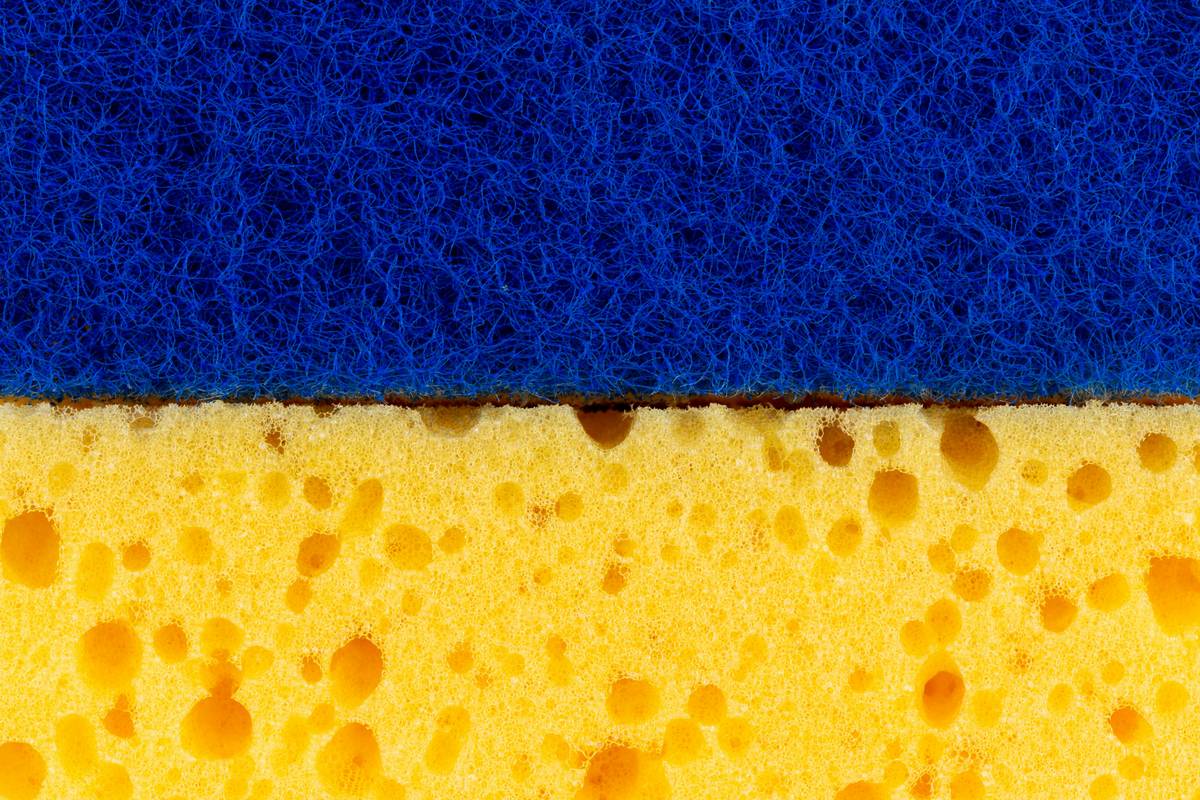
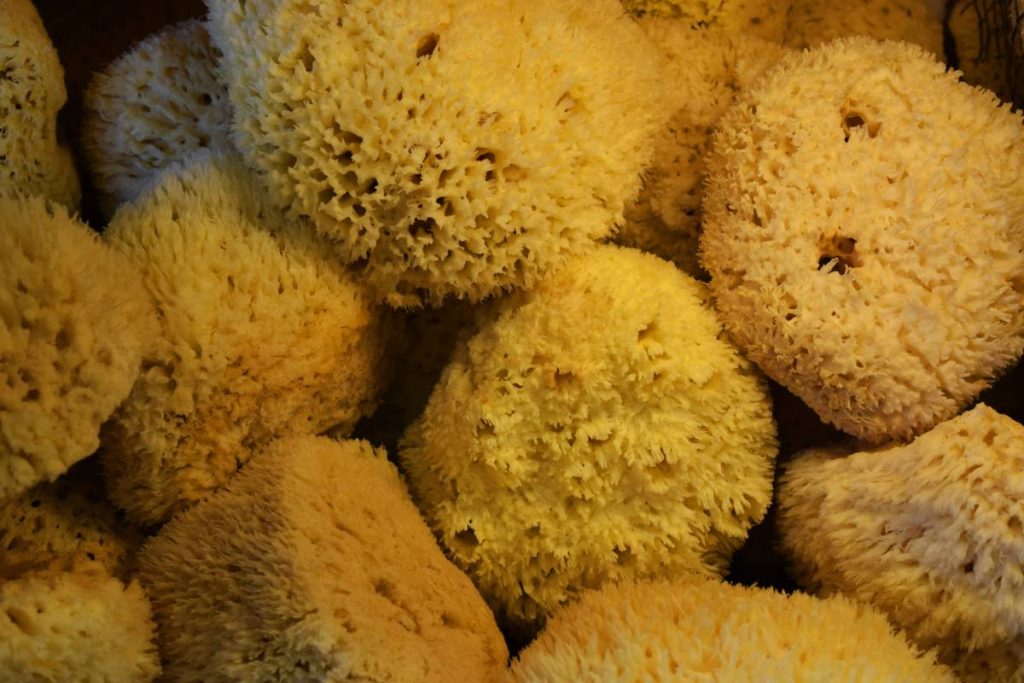
Loofahs (made from the fibrous skeleton of the Luffa aegyptiaca gourd) are fantastic exfoliators—when fresh and properly maintained. But their open-cell structure is a microbial paradise. Synthetic sponges (polyester, nylon, or plant-based cellulose) have tighter weaves that dry faster and resist bacterial colonization… if cared for correctly.
How to Choose the Right Bath Exfoliator for Your Skin
Not all scrubbers are created equal. Picking the wrong one can strip your skin barrier or cause micro-tears—especially if you have conditions like eczema or rosacea. Here’s how to match your skin to the ideal tool:
What’s best for sensitive or acne-prone skin?
Optimist You: “Go for a konjac sponge! It’s plant-based, ultra-gentle, and slightly alkaline to balance skin pH.”
Grumpy You: “Ugh, fine—but only if you promise not to scrub like you’re sanding a deck.”
Konjac sponges, made from the root of the konjac plant, offer light physical exfoliation without abrasion. They’re perfect for facial use or body zones with thin skin (neck, chest). For body acne, opt for a soft cellulose sponge infused with charcoal—it draws out impurities without irritating inflamed pores.
What’s best for thick or dry skin?
If you’ve got calloused heels, rough elbows, or keratosis pilaris (“chicken skin”), a natural loofah can be effective—if used 1–2 times per week max. Pair it with a hydrating body wash containing lactic acid or urea to soften dead cells before scrubbing.
Pro tip: Never use a loofah on broken or sunburned skin. The fibers can cause micro-lacerations, increasing infection risk.
5 Non-Negotiable Tips for Safe & Effective Use
- Rinse thoroughly after every use. Soap residue + dead skin = bacterial buffet.
- Hang it OUTSIDE the shower. Moisture breeds mold. Use a suction hook on a dry wall or store in a mesh bag.
- Sanitize weekly. Soak in diluted vinegar (1:4 ratio with water) or run through the dishwasher’s top rack (for synthetic sponges only).
- Replace every 3–4 weeks. Yes, even if it looks “okay.” Microbial load peaks by week three.
- Never share it. Sharing loofahs spreads bacteria, fungi, and viruses like HPV (which causes warts).
Terrible Tip Alert: “Just microwave your loofah to kill germs!” Nope. Natural loofahs can catch fire, and microwaving won’t penetrate deep biofilms. Stick to vinegar soaks or replacement.
Real Results: Case Studies from Dry vs. Oily Skin Types
Case 1 – Maya, 28, Eczema-Prone & Dry Skin
Maya used a stiff natural loofah daily, thinking it helped flaking. Instead, her arms became red and itchy. After switching to a dermatologist-recommended cellulose sponge used only twice weekly with ceramide-rich cleanser, her flare-ups reduced by 80% in 6 weeks.
Case 2 – Dev, 34, Oily Back Acne
Dev struggled with bacne despite daily showers. His synthetic bath puff trapped sebum and bacteria. He switched to a konjac sponge with salicylic acid gel, used every other day, and saw lesions drop by 60% in one month (confirmed via follow-up derm visit).
These aren’t outliers—they reflect clinical guidance from the American Academy of Dermatology (AAD): mechanical exfoliation must align with skin condition, frequency, and post-care hydration.
Loofah and Bath Sponge FAQs
Can I use a loofah on my face?
No. Facial skin is 30% thinner than body skin. Loofah fibers cause micro-tears that accelerate aging and inflammation. Use a konjac sponge or soft muslin cloth instead.
Are natural loofahs eco-friendly?
Yes—if composted properly. They’re biodegradable within 6–12 months. But if they grow mold and get tossed in landfill plastic bags, their benefit fades. Always cut into small pieces before composting.
How do I know when to replace my bath sponge?
Smell it. If it has a sour or “locker room” odor, toss it—even if it’s only been 2 weeks. Discoloration, sliminess, or loss of elasticity are also red flags.
Is a washcloth better than a loofah?
For most people, yes. Cotton washcloths are less porous, easier to launder (toss in the washing machine weekly), and gentler. Ideal for sensitive or reactive skin types.
Conclusion
Your loofah and bath sponge choices matter more than you think. The right tool boosts circulation, removes dead skin, and enhances product absorption—but the wrong one invites infection, irritation, and barrier damage. Match your exfoliator to your skin type, sanitize religiously, and replace it like you’d replace a toothbrush: often and without guilt.
Glowing skin starts with clean habits—not just clean products. Now go audit that soggy sponge hanging in your shower. Your future self (and your skin microbiome) will thank you.
Like a Tamagotchi, your bath sponge needs daily care—or it dies a gross, moldy death.